
There are hundreds of baking cookbooks on the market, but beginners don't need hundreds of choices. They need a handful of reliable books that teach solid techniques, explain why recipes work and build confidence.
These are the cookbooks that have earned permanent space on my bookshelf after years of baking, recipe testing and food blogging.
But first, 5 ways to find the best baking book for YOU, because you are not me.
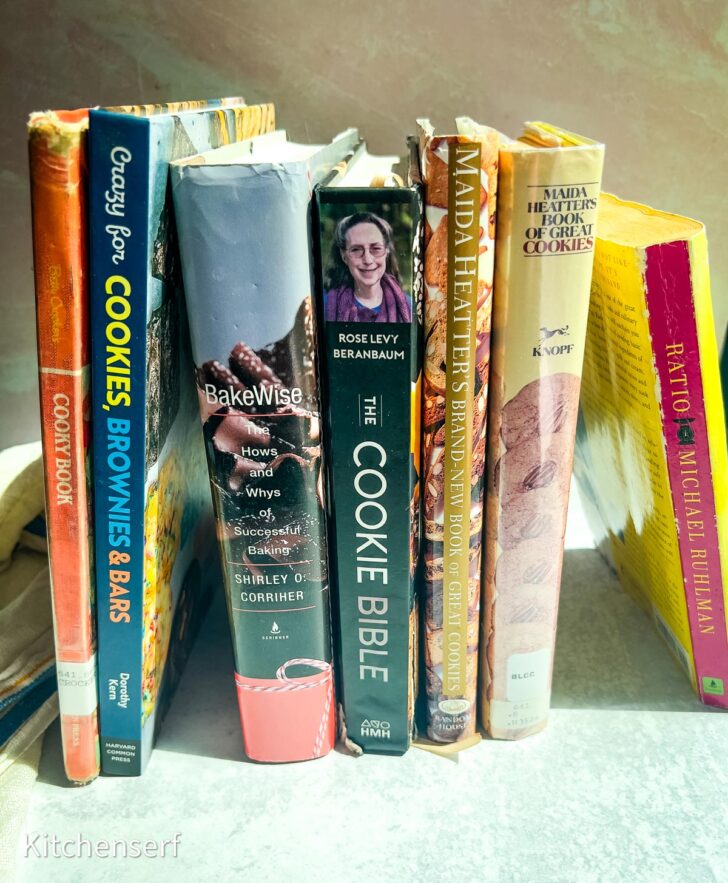
HOW TO FIND THE BEST baking COOKBOOK FOR YOU
Borrow Before You Buy
If you're on the fence about a cookbook, check your local library before buying it.
Spend a week baking from it. You'll quickly find out whether you enjoy the author's writing style, whether the recipes work for you and whether you'll actually reach for the book again.
If you find yourself renewing it instead of returning it, you've probably found a cookbook worth adding to your shelf.
Check the Recipe Variety
Flip through a dozen random recipes. Are they recipes you can realistically picture yourself making? A great beginner cookbook should include recipes that build confidence instead of feeling intimidating from page one.
If every recipe requires specialty equipment or hard-to-find ingredients, it might not be the best place to start.
Read One Recipe From Start to Finish
Before you buy, read an entire recipe instead of just admiring the photos.
Are the instructions easy to follow? Do they answer the questions you might have while baking?
If you can picture yourself making the recipe as you read it, that's a good sign you've found a cookbook written with home bakers in mind.
But Do Pay Attention to Photos
If you are at a bookstore browsing the cookbook section, look for books that include lots of photos.
You may not see process shots, in fact most likely you won’t, because photos drive up the cost of publishing but it is helpful to see a finished shot of whatever recipe you’re attempting.
Look for Headnotes
Look for clear instructions as well as "headnotes" or descriptions leading each recipe.
Headnotes are often found above a recipe in an italicized font.
The headnotes might advise the reader on a specific ingredient needed and where to find it. Or the headnote might give a bit of history behind the dish or its name.
A headnote is to a recipe what a book jacket description is to a book. Something to entice the reader to make the recipe.
My Baking Cookbook Recommendations for Beginners
Maida Heatter's Book of Great Cookies (1977)
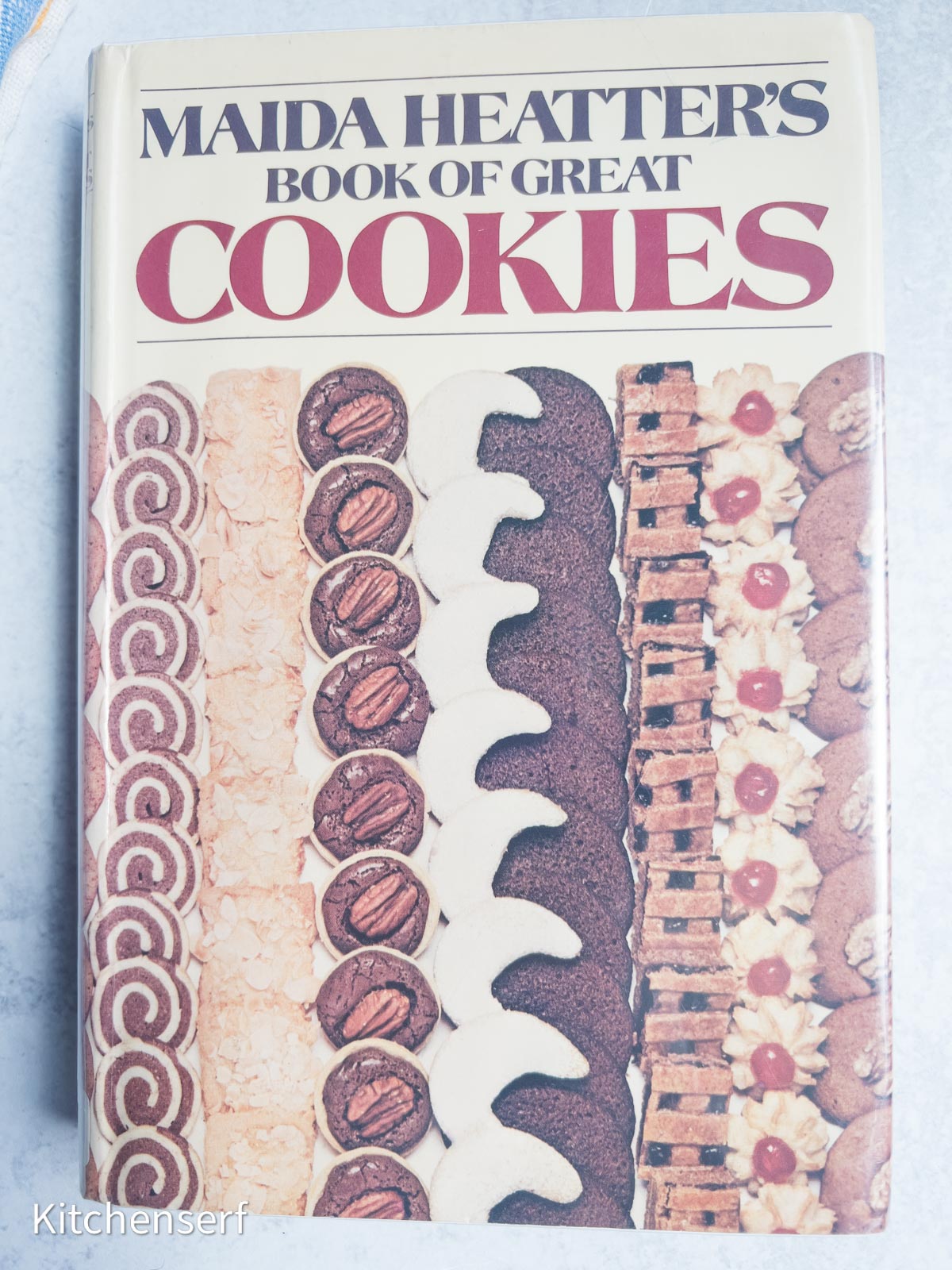
If you only buy one vintage cookie cookbook, make it this one. Maida Heatter earned her reputation as the original cookie queen, and her recipes still hold up decades later. You'll find everything from classic drop cookies to bars and shaped cookies, plus old-school recipes featuring unexpected ingredients like mustard powder.
Heatter's warm, conversational headnotes make it feel like she's standing beside you in the kitchen, reassuring you when a batter curdles or explaining exactly how a cookie should look.
Nearly every recipe calls for lining baking sheets with aluminum foil, a reminder of how home baking has changed over the years. The techniques may have evolved, but the recipes haven't gone out of style. Note--I've included an Amazon link in the header but you may have better luck finding this one at Abe Books or Thriftbooks online.
Maida Heatter's Brand-New Book of Great Cookies (1995)
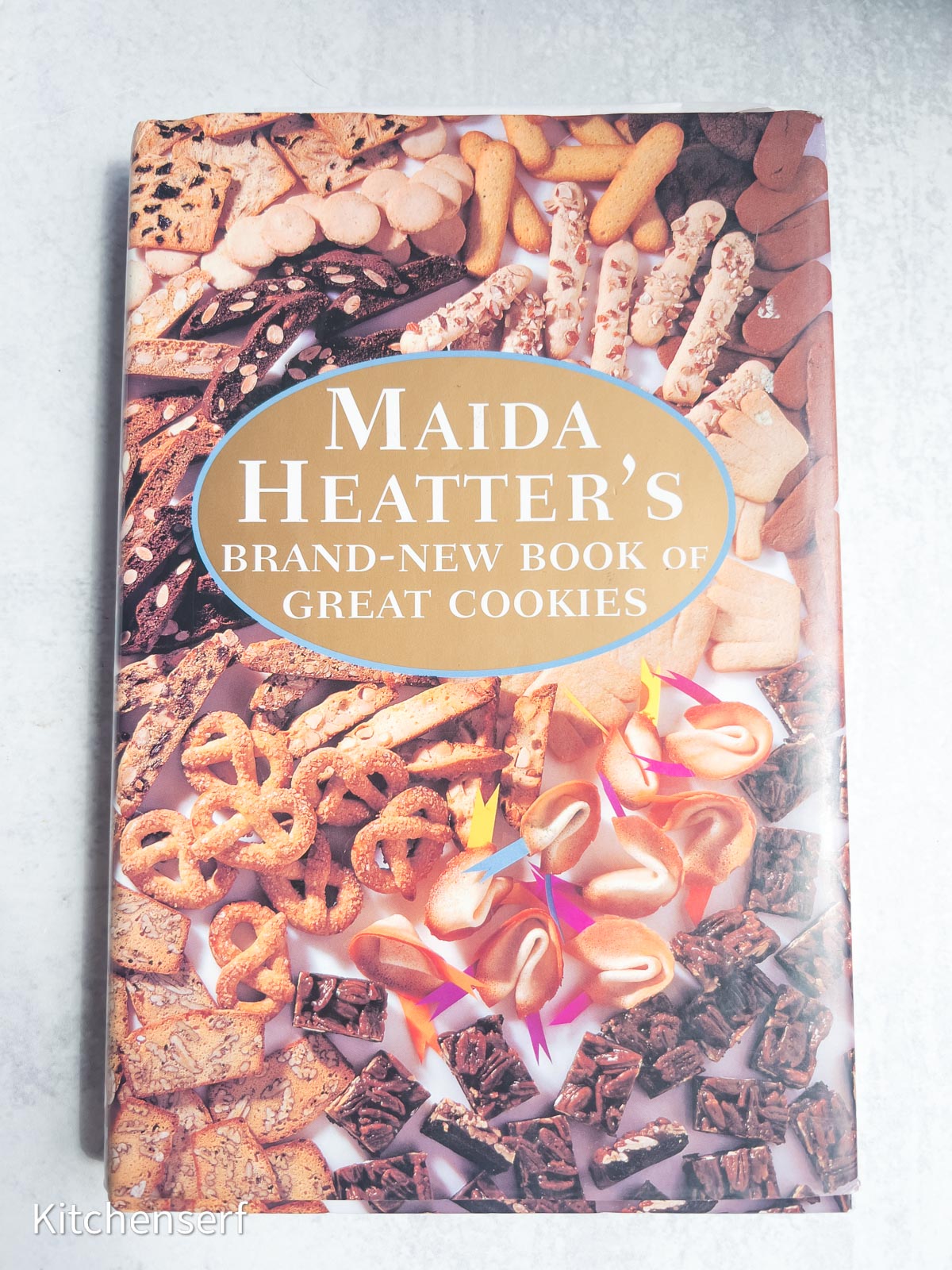
Published nearly 20 years after her original cookie classic, this collection proves Maida Heatter hadn't lost her touch.
One interesting sign of the times is that Heatter casually recommends baking parchment instead of the aluminum foil she called for in her 1977 cookbook.
If you're looking for dependable, thoroughly tested cookie recipes from one of America's most respected baking authorities, this book belongs on your shelf.
Betty Crocker's Cooky Book (1963)
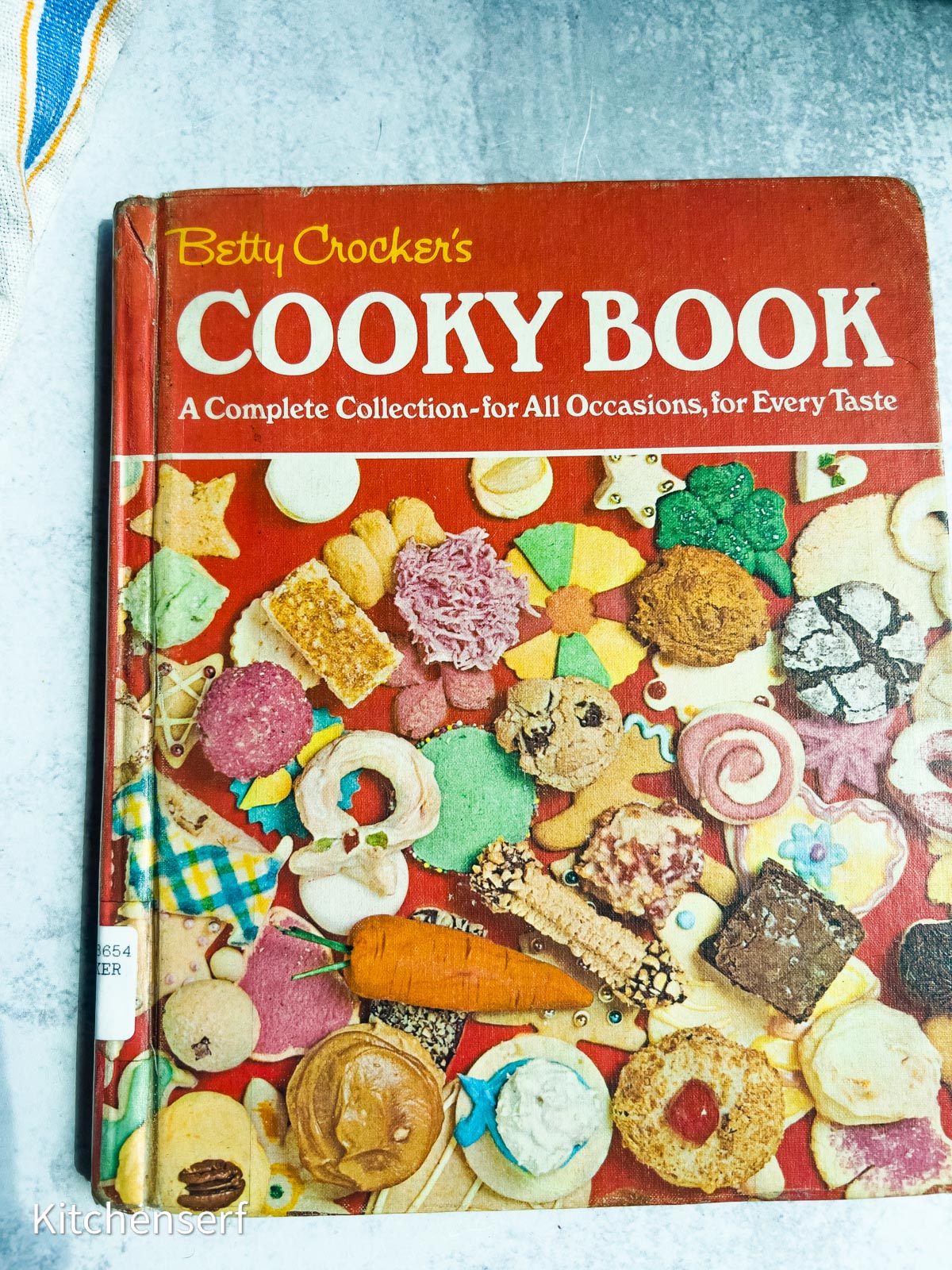
Originally published in 1963, this classic remains one of the best cookie cookbooks for beginning bakers. Every recipe includes a full-color photo, making it easy to see exactly what your finished cookies should look like.
Along with timeless favorites like thumbprints and brownies, you'll find forgotten gems like Joe Froggers, corn puff toffee and chocolate orange drops. The book also covers cookie icings, decorating techniques, pressed cookies, homemade holiday gift packaging and troubleshooting common cookie dough problems.
One of my favorite features is the "Cookie Hit Parade," which traces America's favorite cookies through the decades. It's a fun look at baking history and one more reason this book still earns a spot on my shelf.
Crazy for Cookies, Brownies and Bars by Dorothy Kern (2022)
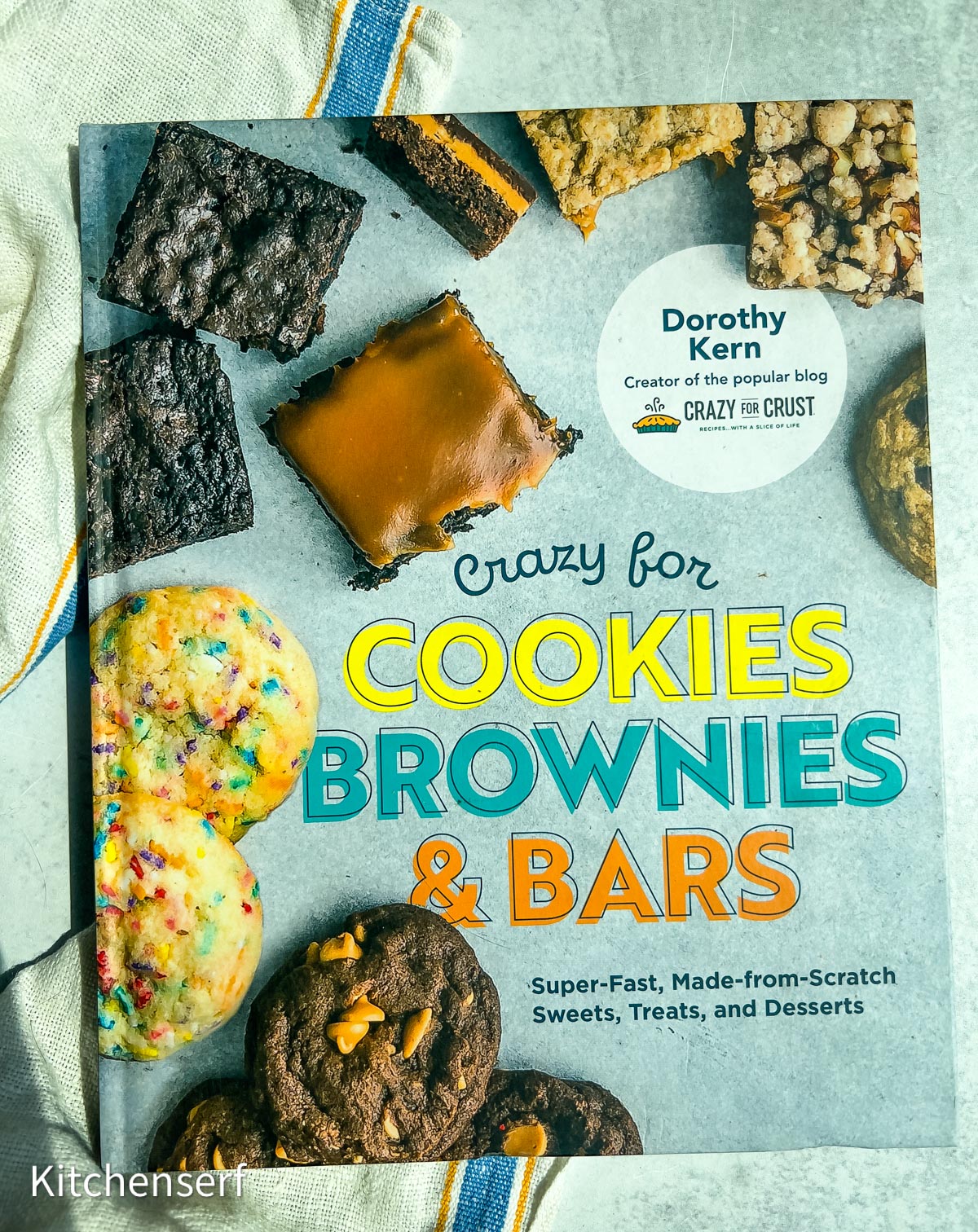
Dorothy's cookies are the Las Vegas showgirls of the cookie world. They're filled, frosted, topped with candy and never afraid to steal the spotlight. While I tend to gravitate toward simpler desserts, Dorothy embraces over-the-top treats that are just plain fun.
One of my favorite things about Dorothy isn't just the recipes. It's her approach to baking. A reader once asked why she often has you toss everything into one bowl instead of mixing the dry and wet ingredients separately. Her answer? "I'm just lazy." I laughed because it perfectly sums up her practical, relatable style.
Her piñata cookie cups, filled with sprinkles and topped with chocolate frosting, are a perfect example of the playful recipes you'll find throughout the book. Dorothy also photographed nearly every recipe herself, which makes the book even more impressive.
Ratio: The Simple Codes Behind the Craft of Everyday Cooking by Michael Ruhlman
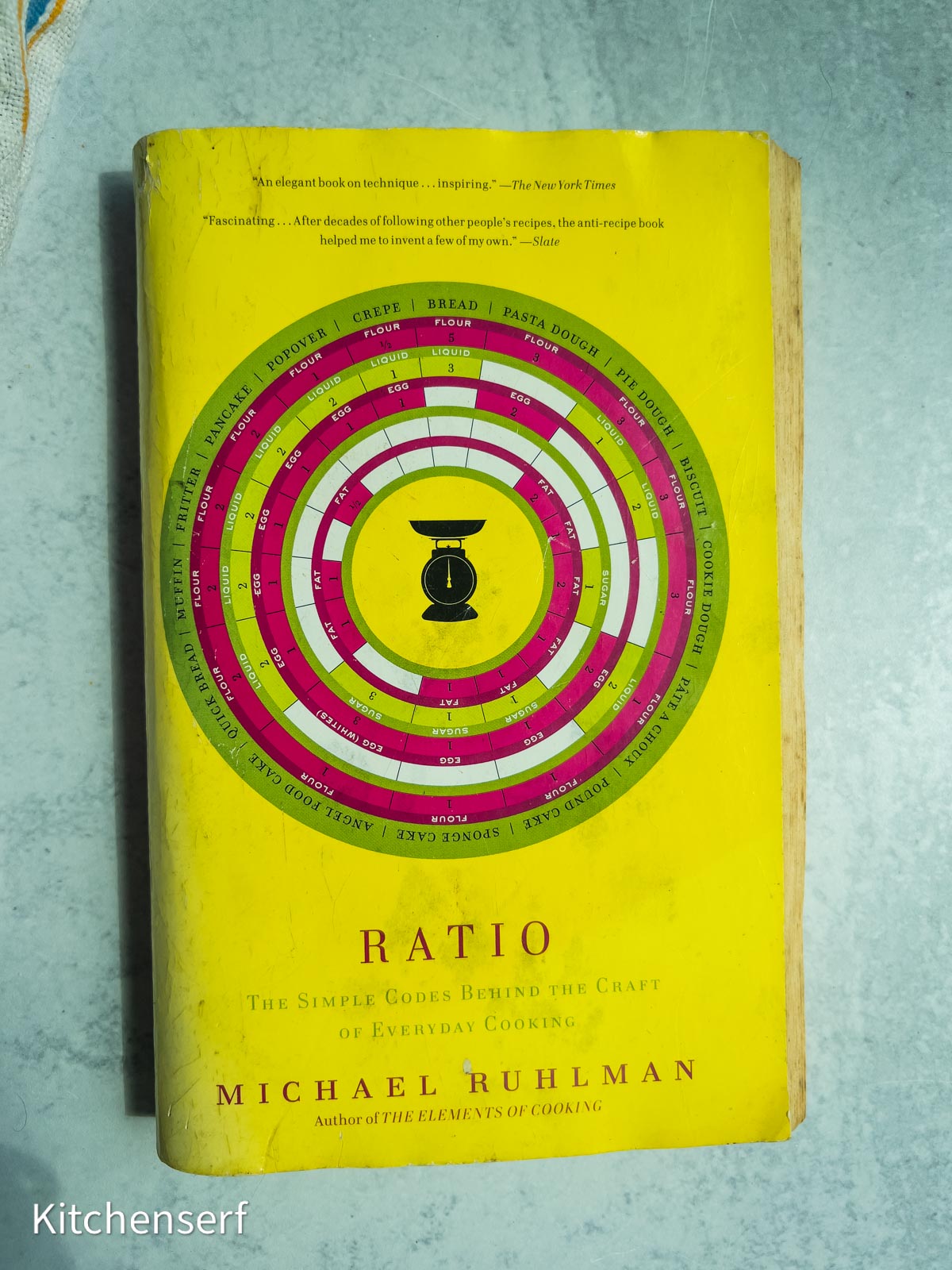
When you're ready to go beyond following recipes, read Ratio. Michael Ruhlman sums up the entire book in the last sentence of the epilogue: "Ratios liberate you."
The cookie chapter alone is worth the price of the book. Ruhlman introduces his 1-2-3 cookie dough ratio, then shows how changing ingredients affects the finished cookie. Wonder what happens if you use all brown sugar instead of white? It's in there.
The book also covers pie dough, pâte à choux, bread, pasta, cakes, custards, caramel, mayonnaise, stocks and more. The ratio chart at the front makes it easy to find the formula you're looking for without flipping through chapters.
Work your way through this book and you'll realize something: all recipes are available to you. You really can make anything you want.
BakeWise: The Hows and Whys of Successful Baking by Shirley O. Corriher
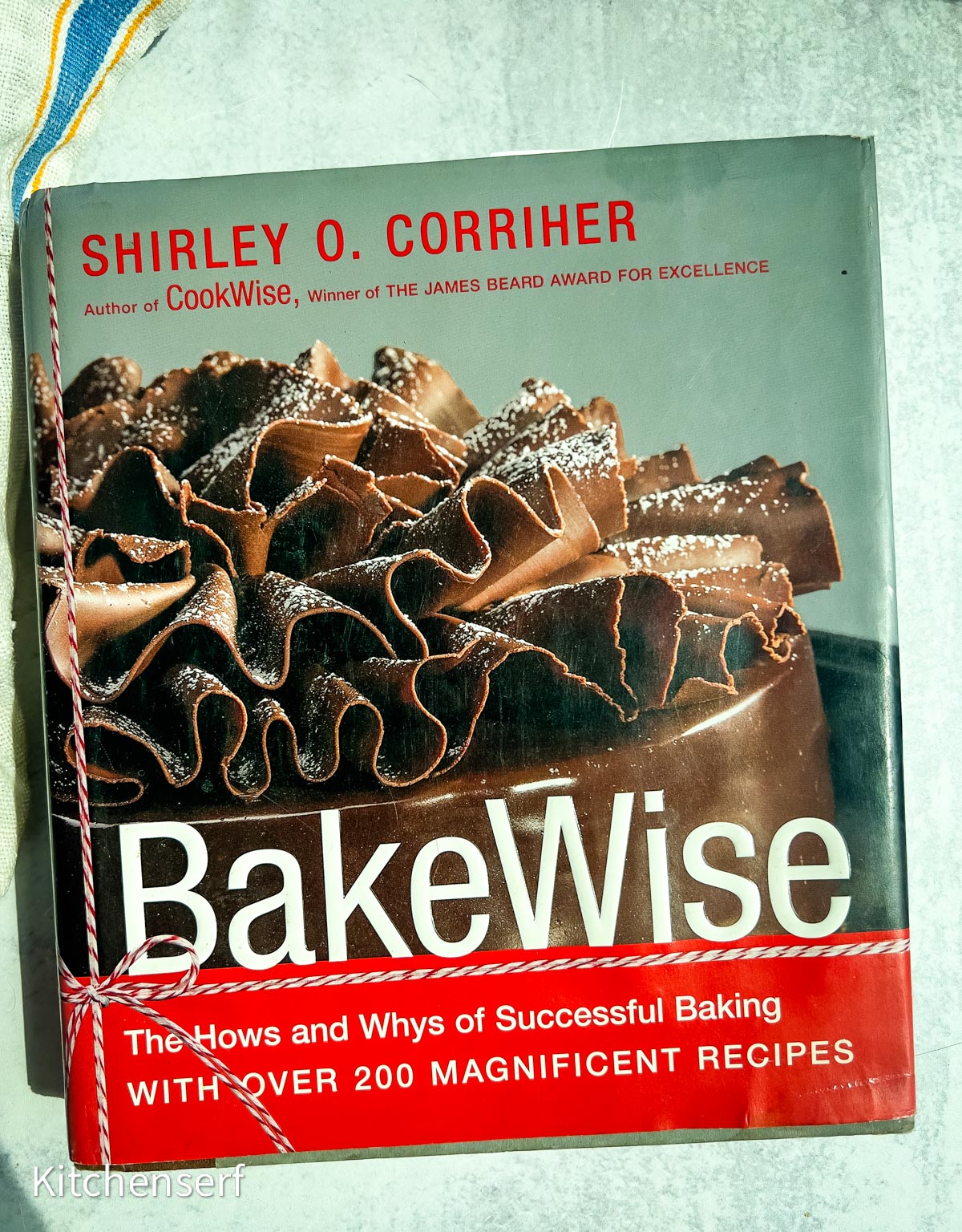
If you're ready to take a deeper dive into baking science, BakeWise is the next book to read. Shirley O. Corriher isn't just a classically trained French cook. She was also a research biochemist at Vanderbilt University School of Medicine.
Every recipe includes a "What This Recipe Shows" box that explains the lesson behind the recipe. You might learn how swapping oil for some of the butter affects a cake, why egg yolks create a more tender crumb or how letting a cake rest overnight changes its texture.
There aren't many photos, but I don't miss them. Corriher explains the science behind baking in a way that's easy to understand, and she includes an excellent section on troubleshooting cookie problems.
The biggest surprise for me was a section on ovens. I almost skipped it, and I'm so glad I didn't. She explains how ovens actually work, why temperatures fluctuate, what happens when you open the oven door and why a baking stone can make a difference.

Comments
No Comments